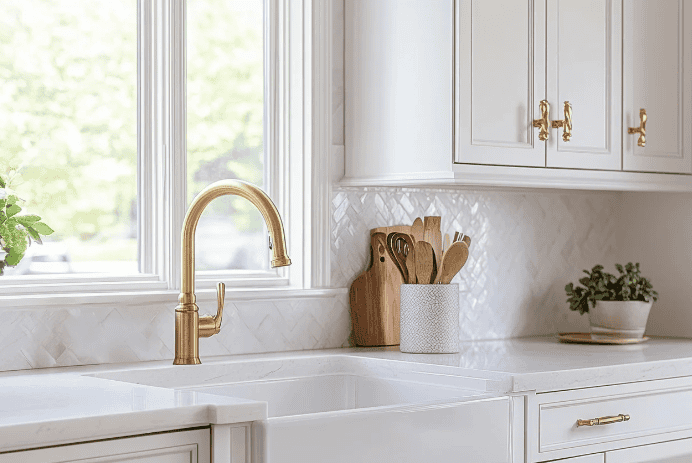
Yes, a kitchen renovation can add value to your home, particularly if it improves the appearance, layout and functionality of the space. Property experts suggest that kitchen renovations could increase a home’s value by around 5% to 15%, depending on the improvements made and the property itself.
However, spending more doesn’t always mean adding more value. The key is choosing practical upgrades that improve your kitchen without exceeding your budget.
From updating your kitchen worktops to improving storage and layout, here’s what you need to know about making your kitchen renovation a worthwhile investment.
How Much Value Does a New Kitchen Add?
According to research published by Which?, property experts estimate that kitchen renovations can add approximately:
- 5% to 10% to a property’s value through a standard kitchen renovation.
- 10% to 15% through more extensive improvements, particularly those involving structural changes.
These percentages are estimates rather than guaranteed returns. The actual value added depends on your property’s location, the condition of your existing kitchen and the quality of the renovation.
It’s also important to remember that the cost of renovating your kitchen may outweigh any increase in property value. This is why focusing on practical improvements and long-term appeal is often more worthwhile than investing in expensive changes purely to increase your home’s selling price.
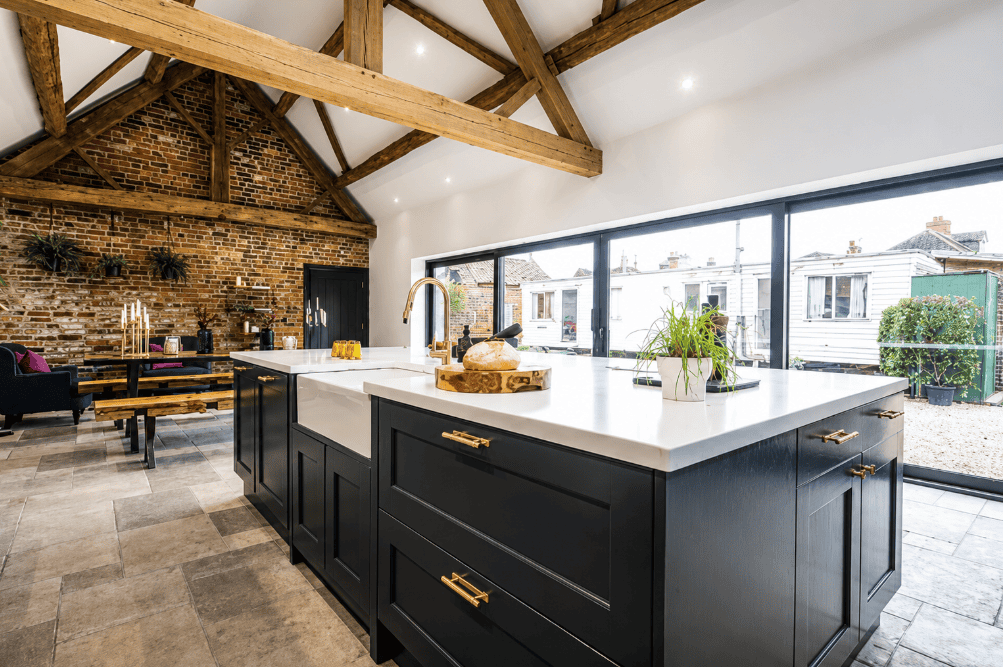
What Kitchen Renovations Add the Most Value?
You don’t always need a complete kitchen replacement to make a difference. Some of the most effective improvements focus on the features buyers notice and use most.
1. Upgrade Your Kitchen Worktops
Kitchen worktops are one of the most visible and frequently used features in any kitchen. Replacing worn or outdated surfaces can instantly refresh the space without requiring a complete renovation.
When choosing new worktops, look for materials that offer:
- Durability to withstand everyday use.
- Easy maintenance to keep your kitchen looking its best.
- Timeless designs that complement different kitchen styles.
- Long-term practicality to reduce the need for frequent replacements.
Solid surface kitchen worktops are a practical choice for homeowners looking for a combination of style and functionality.
At Hanex, our solid surface materials offer a non-porous finish, inconspicuous joints and versatile design options, helping create a contemporary kitchen that’s practical for everyday use.
2. Improve Your Kitchen Layout
A well-designed kitchen should make everyday tasks easier. If your existing layout feels cramped or awkward, improving the positioning of worktops, appliances and storage can make a noticeable difference.
Consider creating more preparation space, improving access to cupboards or adding a kitchen island where space allows. However, changing plumbing or removing walls can significantly increase costs. If your current layout works well, smaller improvements may offer better value.
3. Add More Practical Storage
Good storage helps keep your kitchen organised and makes the space easier to use. Pull-out cupboards, deep drawers, corner storage and integrated bins can help maximise available space without changing your kitchen’s overall footprint. Practical storage is particularly useful in smaller kitchens where every centimetre counts.
4. Refresh Cabinets and Finishing Touches
If your kitchen cabinets are still in good condition, you may not need to replace them. Updating cabinet doors, handles, lighting and splashbacks can give your kitchen a fresh appearance at a fraction of the cost of a full renovation. Neutral finishes and simple designs can also help create a timeless look that appeals to a wider range of potential buyers.
Is It Worth Renovating Your Kitchen Before Selling?
Renovating your kitchen before selling can be worthwhile, but a complete replacement isn’t always necessary.
If your kitchen is significantly outdated or damaged, improvements could make your property more attractive to buyers. However, if your kitchen is already functional and well-maintained, a smaller refresh may be more cost-effective.
Before deciding, consider:
- Your kitchen’s condition: Does it need replacing, or would a few upgrades improve its appearance?
- Your budget: Are the potential benefits likely to justify the renovation costs?
- Your local property market: What standard of kitchen do buyers expect in similar homes?
- Your plans: Are you renovating to sell, or will you enjoy the improvements yourself?
If you’re planning to sell soon, speaking with a local estate agent can help you understand which improvements are most likely to appeal to buyers.
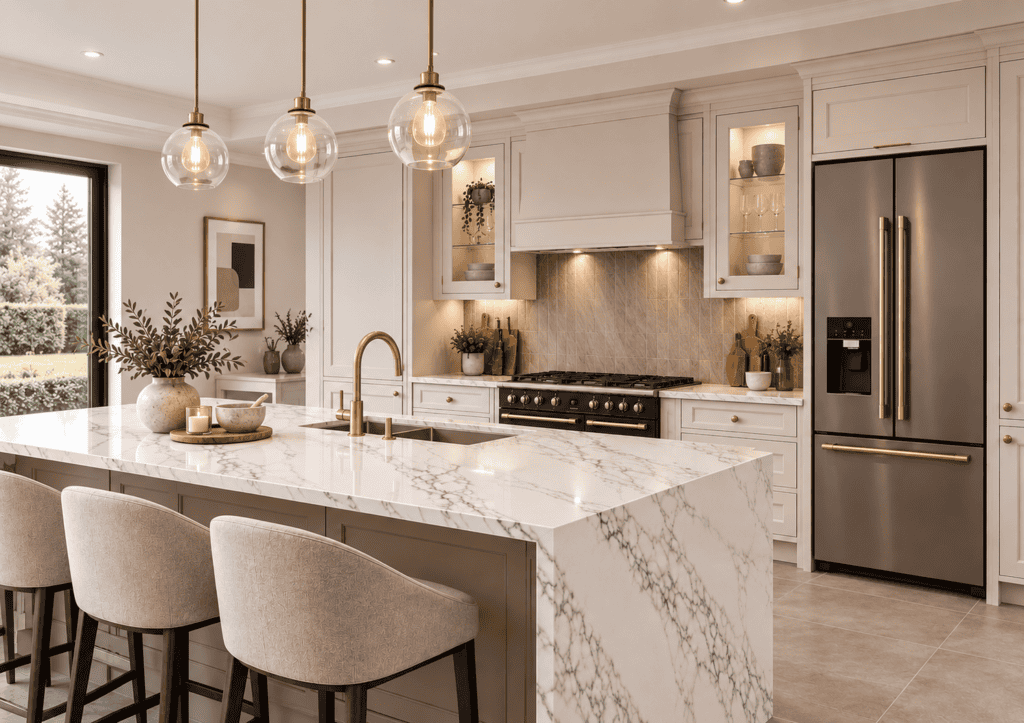
How Much Should You Spend on a Kitchen Renovation?
Your renovation budget should reflect your property’s value, the condition of your existing kitchen and what you want to achieve.
A kitchen refresh involving new handles, lighting or paint will generally cost less than replacing worktops, cabinets and appliances. A complete renovation involving structural changes will usually require a much larger budget.
Rather than spending as much as possible, prioritise improvements that address existing problems and offer lasting benefits. For example, replacing worn worktops with a durable material may provide better value than completely redesigning a kitchen that already functions well. It’s also sensible to allow extra room in your budget for unexpected costs, particularly if your renovation involves plumbing, electrical work or structural changes.
What Is the Best Kitchen Worktop Material for Adding Value?
The right kitchen worktop material can improve both the appearance and practicality of your space.
Popular options include:
- Solid surface: Offers a seamless appearance, non-porous finish and flexible design options.
- Quartz: Provides a durable, low-maintenance surface with a wide range of finishes.
- Granite: Offers a natural stone appearance but may require periodic sealing.
- Laminate: Provides an affordable option in various colours and styles.
- Solid wood: Creates a warm, natural finish but requires regular maintenance.
Each material has advantages, so the best choice depends on your budget, design preferences and everyday needs. If you’re comparing materials, explore our guide to solid surface worktops vs quartz for a closer look at the differences.
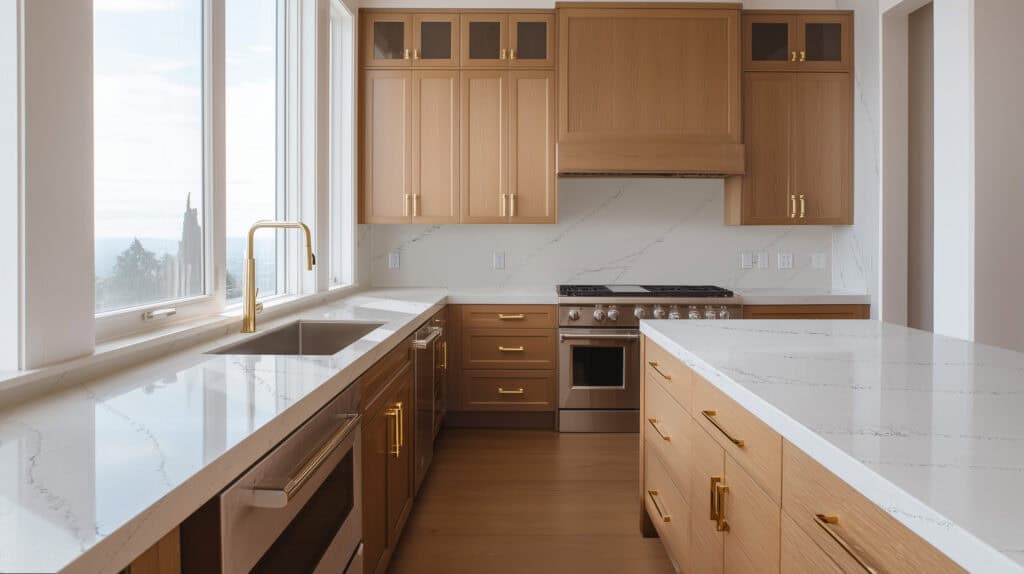
Why Choose Hanex Solid Surface Worktops for Your Kitchen Renovation?
At Hanex, we understand that kitchen renovations are about more than appearance. Your worktops need to look good, perform well and remain practical for everyday use.
Our Hanex solid surface worktops offer several benefits for homeowners looking to upgrade their kitchens.
Seamless, Modern Finishes
Hanex solid surfaces can be fabricated with inconspicuous joints, creating a smooth, continuous appearance across worktops and kitchen islands. This makes them particularly suitable for contemporary kitchens and open-plan spaces.
Check out one of our bespoke kitchen renovation projects.
Easy Everyday Maintenance
Hanex surfaces are non-porous and easy to clean, making them a practical choice for busy kitchens.
Unlike some natural stone materials, they don’t require regular sealing. However, we recommend using chopping boards and heat protection to help maintain their appearance.
Flexible Design Options
Available in a wide range of colours and patterns, Hanex solid surfaces can complement both modern and traditional kitchen designs. They can also be fabricated into bespoke shapes, allowing you to create worktops and integrated sinks suited to your space.
Explore our case study on a residential kitchen in Huntingdon.
Long-Term Practicality
Certain scratches and surface marks can be professionally repaired, helping extend the useful life of your worktops.
Although no worktop material can guarantee an increase in property value, choosing a durable, attractive surface can contribute to a kitchen that remains functional and appealing for years to come.
Renovate Your Kitchen with Hanex
A kitchen renovation can add value to your home, but the best results come from balancing appearance, functionality and cost. Whether you’re planning a complete refurbishment or simply upgrading your worktops, choosing practical, high-quality materials can make a lasting difference.
At Hanex, we offer a range of solid surface kitchen worktops designed to combine contemporary style with everyday practicality. Explore our range of Hanex solid surface materials to find the right finish for your kitchen renovation.
Frequently Asked Questions
Does a new kitchen increase house value?
Yes, a new kitchen can increase your property’s value, particularly if it replaces an outdated or poorly functioning space. However, the amount added depends on the renovation, property and local market.
How much value does a new kitchen add?
Property experts suggest that kitchen renovations could add approximately 5% to 15% to a home’s value, depending on the scale of the work. These are estimates rather than guaranteed returns.
Is it cheaper to replace kitchen worktops or the whole kitchen?
Replacing your worktops is generally cheaper than installing an entirely new kitchen, particularly if your existing cabinets and layout are in good condition.
What kitchen improvements add the most value?
Improvements to worktops, storage, layout and overall presentation can make a kitchen more appealing. The most valuable upgrades are usually those that address existing problems without unnecessary expense.
Are solid surface worktops good for kitchens?
Yes, solid surface worktops offer a non-porous finish, easy maintenance and versatile design options. They are a practical choice for kitchens, although appropriate protection from heat and scratches is important.